Lubrication for the glass industry
RIVI » Lubrication for industrial sectors » Lubrication for the glass industry
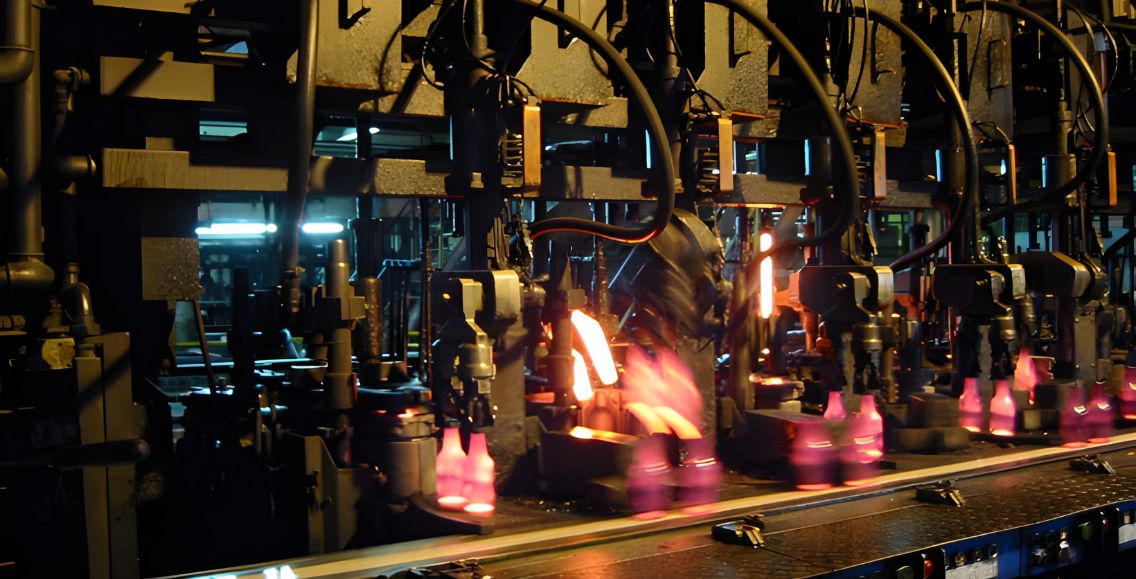
The glass industry, key in the food and beverage sector, This requires highly efficient systems that guarantee optimal machine performance and component protection throughout the manufacturing process. One of the essential elements in these processes is lubrication, since the good condition of the mechanisms ensures the durability, safety, and productivity of the production lines. RIVI Technical Group, We will explore lubrication systems designed specifically for the glass industry, highlighting our key components and features.
Lubrication systems for the glass industry
Our lubrication systems for the glass industry They are designed to operate in extreme conditions, where heat, high speeds, and heavy loads are common. These systems ensure that machines and equipment maintain their performance continuously, even under the most demanding circumstances.
Next, we will delve deeper into the different types of lubrication systems most commonly used in this sector.
Lubrication systems require pumping and transfer equipment Efficient pumping systems ensure that the lubricant reaches all necessary parts of the machine. Appropriate pumping equipment allows for consistent and precise distribution of the lubricant (oil or grease), preventing potential machine failures due to insufficient lubrication.
The transfer systems They must also be designed to operate 24/7, 365 days a year, even in extreme temperature conditions.
Automatic lubrication for IS/NIS machines (Lub4Glass system)
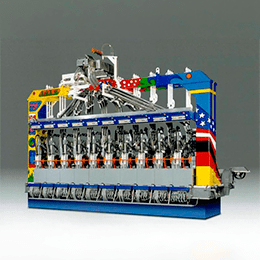
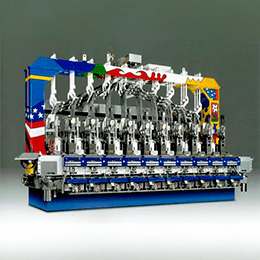
The IS machines (Intermittent-Forming) and NIS (Non-Intermittent–FormingThese machines are essential in glass production. They require an automatic lubrication system to ensure the correct operation of their moving components, such as molds, extruders, and shafts.
The Lub4Glass system is an innovative technology developed by RIVI, representing a spectacular advance in the reliability, efficiency and control of the lubrication of IS/NIS machines in glass bottle factories.
Automatic lubrication ensures that oil or grease is distributed evenly, preventing wear and friction, which extends the life of parts and improves production efficiency.
The Main advantages of Lub4Glass are:
- A centralized pumping station and reservoir for each oil (mineral and synthetic).
- It's customizable.
- Distribution boxes that allow lubrication cycles in different sections (simultaneously or at different times).
- Leak detection (reduces the risk of fire).
- Total monitoring from the main control table and Ethernet network, which also replicates all signals to the factory control system.
- This is optional, since it could be directly integrated into the machine's control system.
- 100% compatible with single-line injectors installed by most original equipment manufacturers (OEMs) of glass machinery, regardless of brand.
- Possibility of manual lubrication by pressing a button.
Multi-zone centralized lubrication for production lines
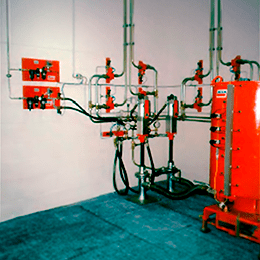
In the large production lines for glass bottles and containers, It is essential to have centralized lubrication systems and multizone that can cover several machines and areas simultaneously. These types of systems allow for efficient lubrication management, distributing lubricant precisely according to the needs of each area of the production line.
Centralization improves ease of control and reduces maintenance times, resulting in increased productivity and lower operating costs.
Lubrication systems for hot zones
The hot zones, Areas such as ovens or glass tempering zones present an additional challenge for lubrication systems due to the high temperatures they reach. To ensure effective lubrication in these critical areas, it is necessary to use special oils and systems that can withstand extreme temperatures without losing their properties.
The monitoring and control of lubrication systems In the glass industry, this is crucial, as they form a very important part of the factory's predictive and preventive maintenance.
Lubrication systems for hot areas are designed to ensure that essential components are not damaged by heat, improving the safety and lifespan of machinery. Furthermore, they prevent friction with the manufactured product (bottles, containers, etc.).

To ensure the optimal functioning of lubrication systems, it is crucial to have high-quality components that offer reliability and durability. Below, we detail the main components that make up RIVI systems for the glass industry.
Pumping station
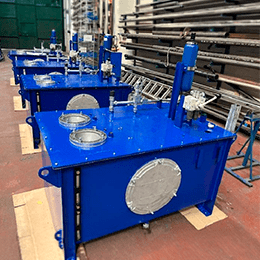
The pumping station It is an essential component in centralized lubrication systems. Its function is to ensure that the lubricant is pumped at the correct pressure and in the correct quantity to each part of the machinery. Our pumping stations are designed to offer stable and reliable performance, even in demanding industrial environments. They are manufactured with high-quality materials to guarantee their durability and resistance to adverse conditions.

Filter/control unit
He filter/control It is crucial for maintaining lubricant quality and protecting system components from particles and contaminants. Filters ensure that only clean lubricant reaches the working areas, preventing damage and premature wear to equipment. Furthermore, control units allow monitoring of lubricant flow and pressure, providing complete control over the lubrication system and ensuring its efficient operation.

Multi-outlet dispensers
The multi-outlet dispensers They allow for the precise distribution of lubricant to various parts of the machine or production line. These devices are essential for ensuring uniform and controlled lubrication, which improves machine efficiency and reduces wear on components. The dispensers are designed to be adjusted according to the specific needs of each machine or system.

Oil injectors on motherboard
The oil injectors on motherboard These injectors are essential for systems requiring direct and precise lubrication. They apply lubricant in a controlled manner and in small quantities to critical machine points, improving process efficiency and reducing lubricant consumption. They are an excellent choice for applications where precision is key.

Features of RIVI systems for the glass industry
RIVI lubrication systems are designed to deliver exceptional performance under the most demanding conditions in the glass industry. Below, we describe some of the characteristics which makes our systems the best option for this sector.
Benefits of our automatic lubrication systems
Our automatic lubrication systems offer numerous benefits to the glass industry. These systems are easy to operate and require minimal maintenance, resulting in less downtime and greater operational savings.
Furthermore, by eliminating the need for manual intervention, automatic systems improve lubrication accuracy and reduce the risk of human error. Thanks to their robust design and the quality of their components, RIVI systems guarantee a greater durability and reliability, which contributes to greater efficiency in the production lines.
- 360º service: design, installation and maintenance
- In-house engineering, design and manufacturing
- More than 40 years of experience
- Benefits
Grupo Técnico RIVI offers a complete 360º service to cover all the needs that the customer may have.
Intelligent solutions that minimise breakdowns and ensure continuous operation of machinery.
From installation to supervision, we offer a 360º service so that you don't have to worry about anything.
- Contact Us
At RIVI Technical Group we design, manufacture and install equipment adapted to each industrial sector. Tell us about your project and we will advise you with the best technical and economic solution.
- More than 30 years of experience
- In-house engineering, design and manufacturing
- 360º service: design, installation and maintenance

We were looking for a reliable solution to prevent downtime due to lubrication failures, and the experience has been very positive. The machines are running more smoothly and with fewer incidents.
Miguel Moreno
Plant Technical Manager
Questions about systems for the glass sector
Next, we answer the frequently asked questions This guide explains lubrication systems in the glass industry, clarifying their operation, maintenance, and benefits. These answers will help you understand the importance of choosing the right system to improve efficiency and safety in your production.
What are the consequences of not installing automatic lubrication systems in the glass sector?
Not having an automatic lubrication system can lead to increased equipment wear, more frequent repairs, and production stoppages due to inadequate or manual lubrication, which in turn increases operating costs and reduces productivity.
What type of maintenance do automatic lubrication systems for the glass industry require?
These systems require basic preventive maintenance, such as checking lubricant levels, cleaning filters, and verifying pump and valve pressure and operation to ensure their long-term effectiveness.
What is multi-zone centralised lubrication and how does it benefit glass production?
It is a system that efficiently distributes lubricant to various machinery zones, reducing downtime and improving efficiency by ensuring precise and controlled lubrication.
What advantages does the Lub4Glass system offer to the glass industry?
Lub4Glass provides precise and automatic lubrication, optimising machinery operation, withstanding high temperatures, and improving the productivity and reliability of glass production operations.
What impact does automatic lubrication have on safety and the environment in the glass industry?
Automatic lubrication improves safety by reducing manual intervention and minimizing the risk of mechanical failures. Furthermore, it optimizes lubricant usage, reducing waste and contributing to more sustainable production.
 Español